

WUWC Achievements
Supported Key Western Water Policy
Miller-Bradley Bill
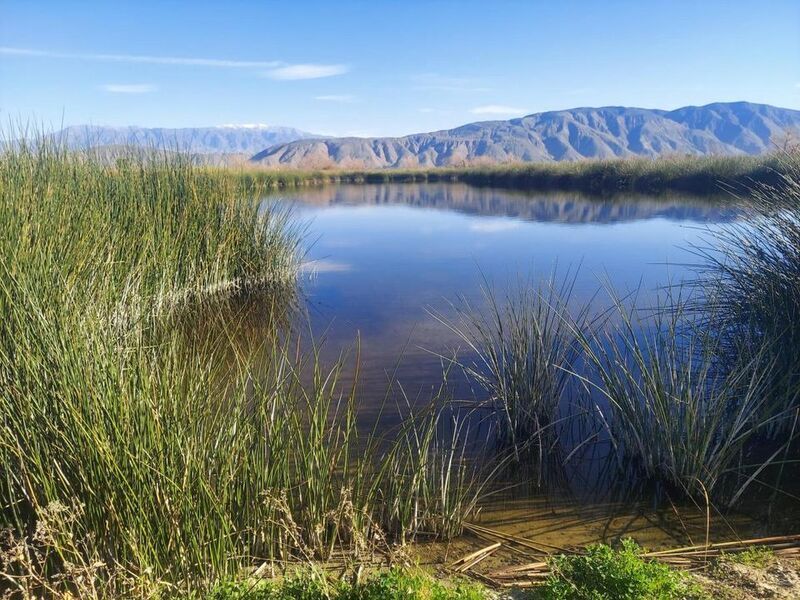
The first action of WUWC was to participate actively in shaping the Reclamation Projects Authorization and Adjustment Act of 1992. Better known as the Miller-Bradley Act, it authorized many Bureau of Reclamation projects in the West and reformed the financial, environmental, and management standards that applied to the projects. Since then, WUWC has actively engaged in rulemaking efforts to improve the effectiveness of related statutes, including the Endangered Species Act, the Migratory Bird Treaty Act, and the Clean Water Act, and actively collaborated with partners and stakeholders to create practicable solutions to the implementation of environmental protection programs in a time when water sources are threatened.
A Leading Player in ESA Reform
Endangered Species Act
WUWC supports the Endangered Species Act (ESA) and has favored both its thoughtful administration as well as the reasonable modification of the statute. WUWC efforts helped prove that the ESA can be reformed from a middle-ground perspective. Administratively, WUWC was one of the first major associations to support the “No Surprises” policy, and the Clinton Administration’s “five point” policy of administrative reform aimed to encouraging landowner and stakeholder participation. WUWC also was at the forefront of the Bush Administration’s cooperative conservation policy and was one of the leading advocates of a more flexible and effective ESA program under President Obama. More recently, one of the most significant ESA issues that WUWC has evaluated and acted on is the manner in which areas are excluded from proposed critical habitat designations on the basis of economic considerations.

Facilitated Interstate Water Agreements
Migratory Bird Treaty Act
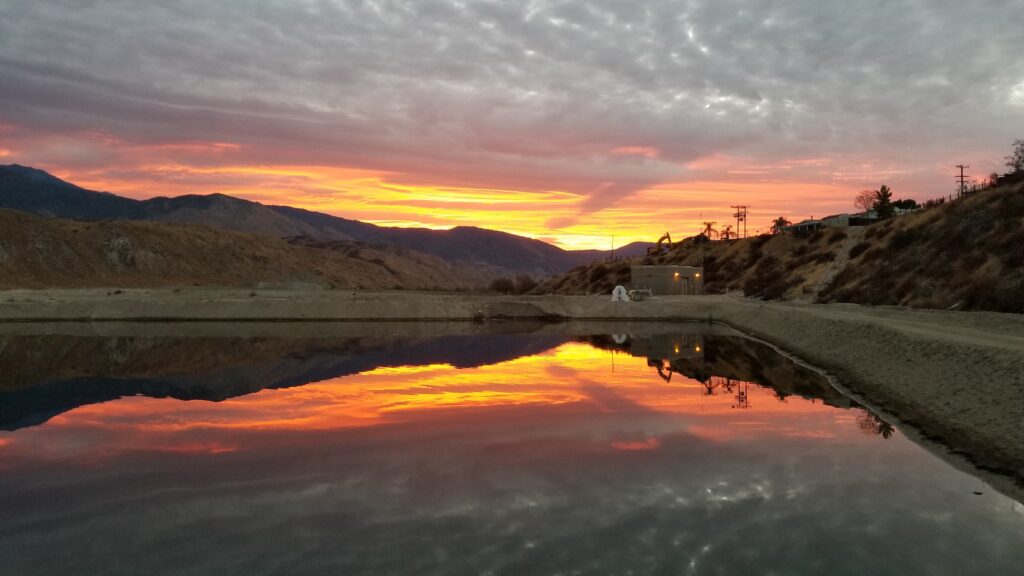
WUWC is an enthusiastic supporter of the goals of the Migratory Bird Treaty Act (MBTA). WUWC is driven by the goal of ensuring the efficient and cost-effective development and operation of water supply facilities while protecting migratory birds. WUWC has supported increased regulatory certainty and has advocated for a carefully circumscribed and judiciously applied permit option under the MBTA that would help avoid confusion over MBTA compliance. WUWC members are advocates for such predictability and have encouraged the development of an efficient and limited MBTA permit program that is coupled with improved guidance on MBTA enforcement.
Supported and Expanded the Clean Water Act
Clean Water Act / Safe Drinking Water Act
WUWC leads proactive and comprehensive water management policies and practices that address the implications of changing climate and warming trends on Western water resources. In addition, WUWC is very active in water conservation, re-use, and new technologies. WUWC supports focusing on environmental issues under the Clean Water Act and the Safe Drinking Water Act, including legislation to amend the Clean Water Act to recognize the unique conditions in the arid West. WUWC is active, both in the courts and working with EPA and the Corps of Engineers, to create a fair and workable balance in the regulation of water transfers under the Clean Water Act.
WUWC is specifically focusing on how changing climate and extreme weather events will impact the implementation of the regulatory programs established under the Clean Water Act or the Safe Drinking Water Act, particularly in the semi-arid West where some water utilities lack the means of compliance due to climate conditions over which they have no control. Specifically, WUWC has evaluated whether there is adequate flexibility in these Acts and their accompanying regulations to accommodate a changing physical environment. Further, to the extent that potential conflicts are identified between water program requirements and the provision of essential utility services, WUWC is working to identify how regulators and the regulated community can work together to satisfactorily address such conflicts, while continuing to meet the goals of the above Acts.
Protects Federal Rules that Protect Consumers
Infrastructure and Permitting Reform
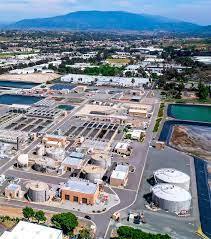
WUWC has advocated for crucial water infrastructure upgrades and the development of new water infrastructure for utilities to plan and adapt to changing climate. Increased temperatures and higher precipitation variability experienced in western watersheds make robust and adaptable infrastructure and operating plans critical to successful climate change adaptation for western water utilities. Water infrastructure is needed to complement the significant water conservation, watershed protection, and other steps already being taken by municipal water users to meet the challenges of climatic events like droughts, wildfires, and floods, as well as the public safety threats of seismic events and facility failures.
Western expansion and growth were made possible by federal investment in major water infra-structure projects that western communities now rely on for safe and reliable drinking water sup-plies. Infrastructure investment partnerships between the federal government, private entities and local, state, and tribal governments remain necessary today and makes good economic sense. WUWC has urged Congress and the Administration to: increase direct federal funding for water infrastructure projects similar to federal investment in transportation systems; increase the avail-ability of federal financing tools and direct federal investment to encourage investment in water infrastructure; and amend the tax code to exempt water conservation and stormwater management rebates from taxable income.
Promoting Equitable Support
Environmental, Social, and Governance (ESG) and Support for Disadvantaged Communities
ESG is a priority issue for WUWC. Federal infrastructure funding is an opportunity to address issues of equity. In WUWC’s everyday operations, water providers face pressure to maintain affordable rates for all customers despite the increasing financial burdens associated with maintaining and reinvesting in their systems. Water providers have established community assistance programs, and in many cases have expanded these programs during the COVID-19 pandemic, as greater percentages of their customers are unable to pay their bills. Black, indigenous, and other people of color are disproportionately represented among those unable to pay utility bills so ratepayer assistance and infrastructure funding programs can help to advance equity goals.
Financial incentives and support for infrastructure renewal and new infrastructure play a significant role in keeping rates affordable and creating new jobs for years to come. WUWC has encouraged and actively engaged with Congress and the Administration to address equity and environmental justice through infrastructure funding and financing programs that are designed to support affordability, access, and environmental justice concerns, with attention to underserved communities, previously redlined communities, and tribal areas.
Mitigating Wildfires
Protection of Watersheds and Wildfire Risk
The dire nature of drought, incredible strain on western watersheds, increasing frequency of calamitous fires and weather events, and constantly expanding threats of extreme weather demand effective action. WUWC supports the goals of the Fix Our Forests Act and other legislation aimed at reducing wildfire risk to communities, municipal water supplies, and other at-risk Federal lands. Wildfires threaten many of our members’ watersheds and a proactive, comprehensive federal response to mitigate the threat of wildfire is necessary. WUWC supports a collaborative process of planning, prioritizing, and implementing hazardous fuel reduction projects while protecting, restoring, and enhancing forest ecosystem components to promote the recovery of threatened and endangered species, improve biological diversity, and enhance productivity and carbon sequestration.